The townhouse
A traditional Kyoto home with a living-room warmth. Fewer than a dozen guests sit on cushions or chairs close to a solo player. Concerts run almost every day.
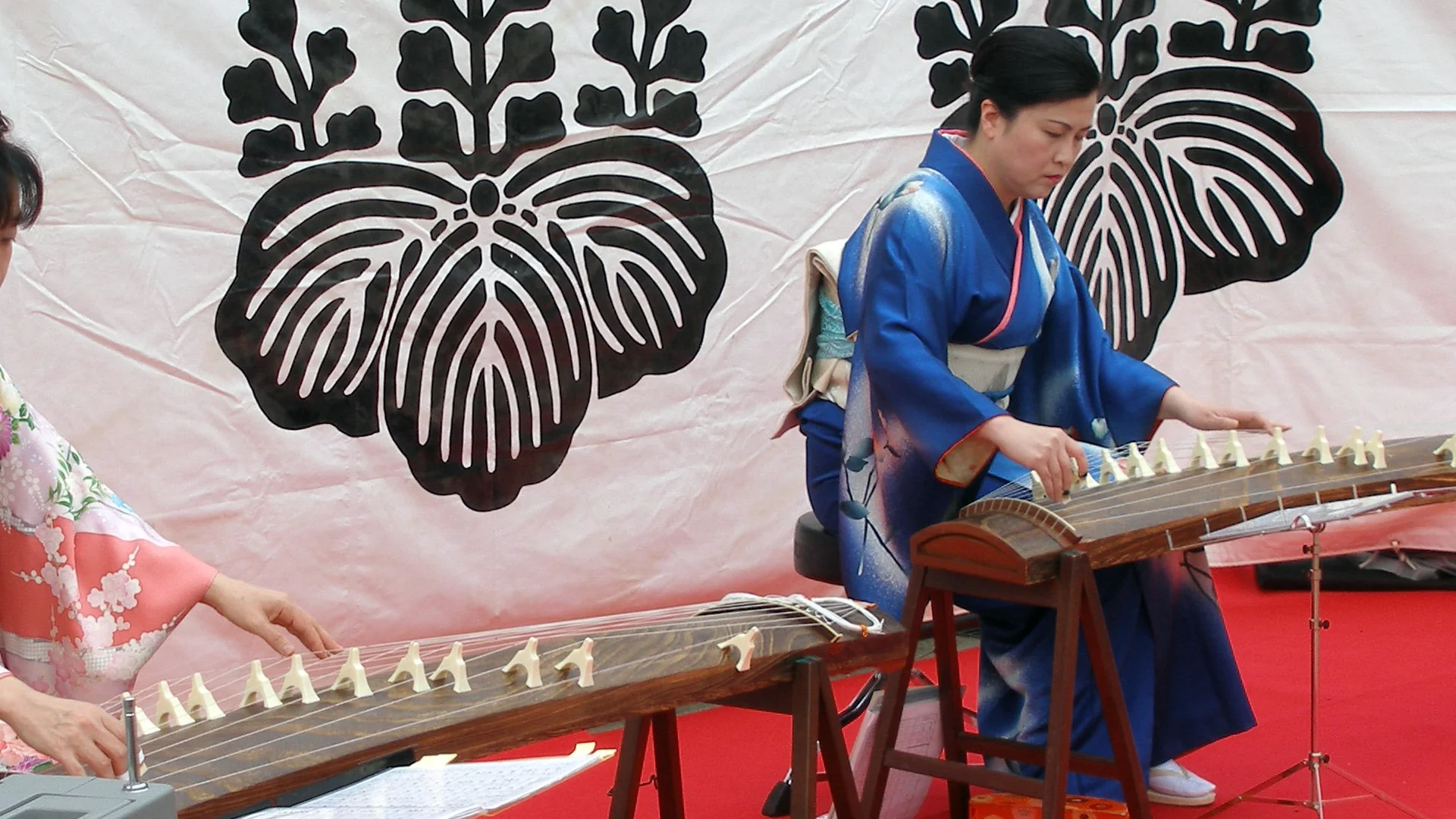
Koto and shamisen · Kyoto
Professional players, a townhouse room for fewer than a dozen guests, and each instrument explained before the first note.
After the last piece, the musicians stay to answer questions and pose for photos.
What the hour comes down to
The two rooms
The ticket covers two venue options. They share a format but sound and feel quite different.
A traditional Kyoto home with a living-room warmth. Fewer than a dozen guests sit on cushions or chairs close to a solo player. Concerts run almost every day.
A former public bath turned concert hall with room for around thirty. The koto plays a duet with a second instrument, and tiled walls give a long natural reverberation. It opens on selected Mondays.
The programme, piece by piece
Five stages, in the order they usually come. The running order depends on the room and the player.
You are welcomed, shown to your cushion or chair and given a few words on how the room works. Arrive five to ten minutes early so this part stays calm.
The musician explains how the koto and the shamisen are played: their parts, the picks and bridges, and a notation that looks nothing like a Western score.
Four or five pieces, from classical works to contemporary ones. In the townhouse the player gives solo sets; in the bathhouse the koto is joined by a second instrument.
The players answer questions about their instruments and their training, and there is time to take photographs with them.
At the townhouse you can add a short, beginner-friendly lesson: a guided first attempt at basic technique and a short phrase.
Programmes differ by performer and by season, so treat this as the usual outline. The hands-on lesson is offered at the townhouse only.
What you will hear
The koto is often called the national instrument of Japan: a long paulownia-wood zither with 13 strings, each resting on its own movable bridge. At the concert it sits right in front of you, so you can watch every adjustment the player makes.
The shamisen, a three-stringed lute played with a plectrum, gives the programme its sharper, buzzing edge. In the townhouse set the same player moves between the two instruments.
Each player picks the programme, and it changes with the season: classical works and modern pieces, solo in the townhouse, or as a duet with a second instrument in the bathhouse.
A short introduction covers the parts, the picks and bridges and the unusual notation, in Japanese and English, so the music is easier to follow once it begins. Questions and photos come at the end.
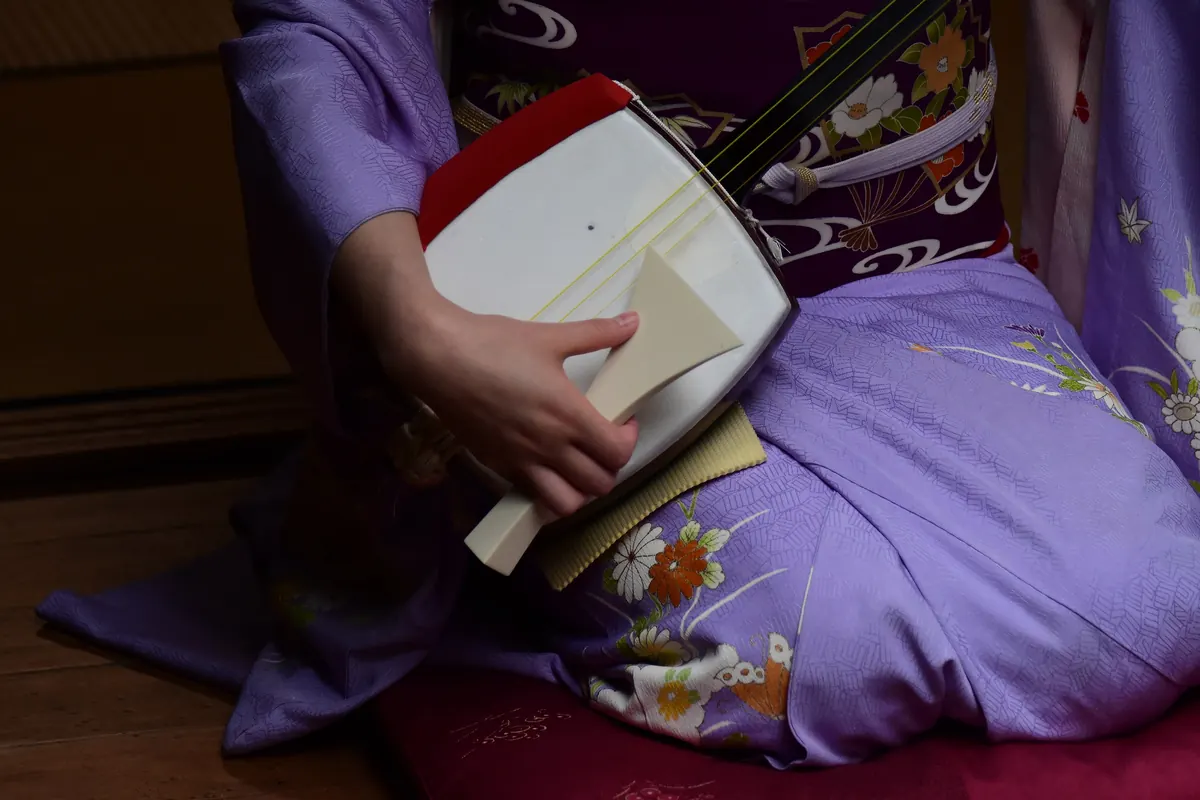
Strings, tatami and Kyoto lanes
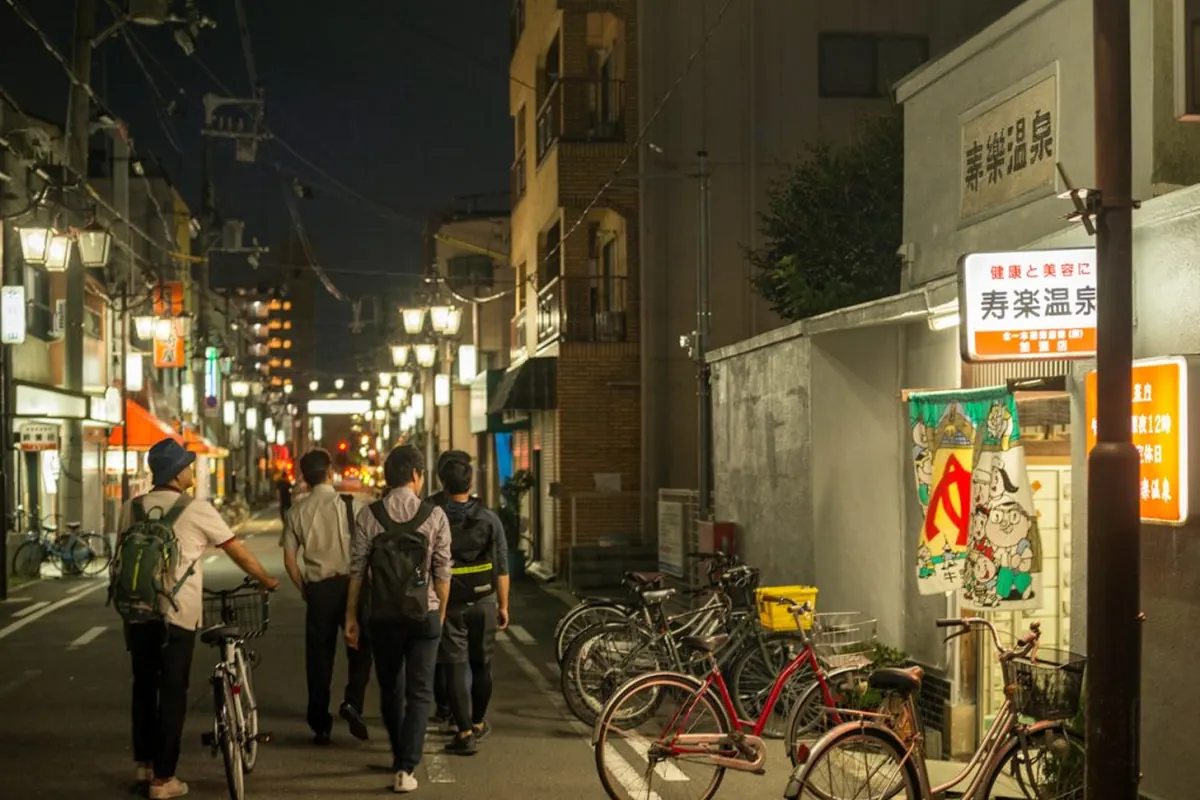
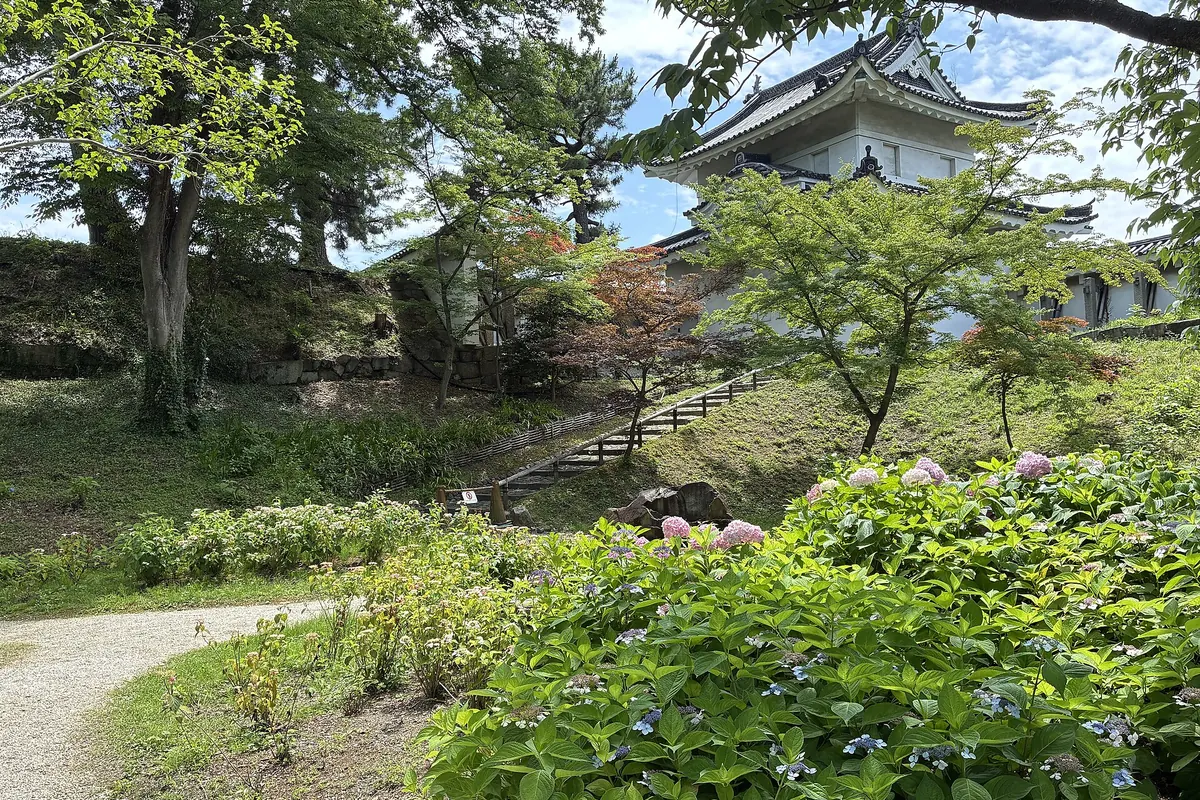
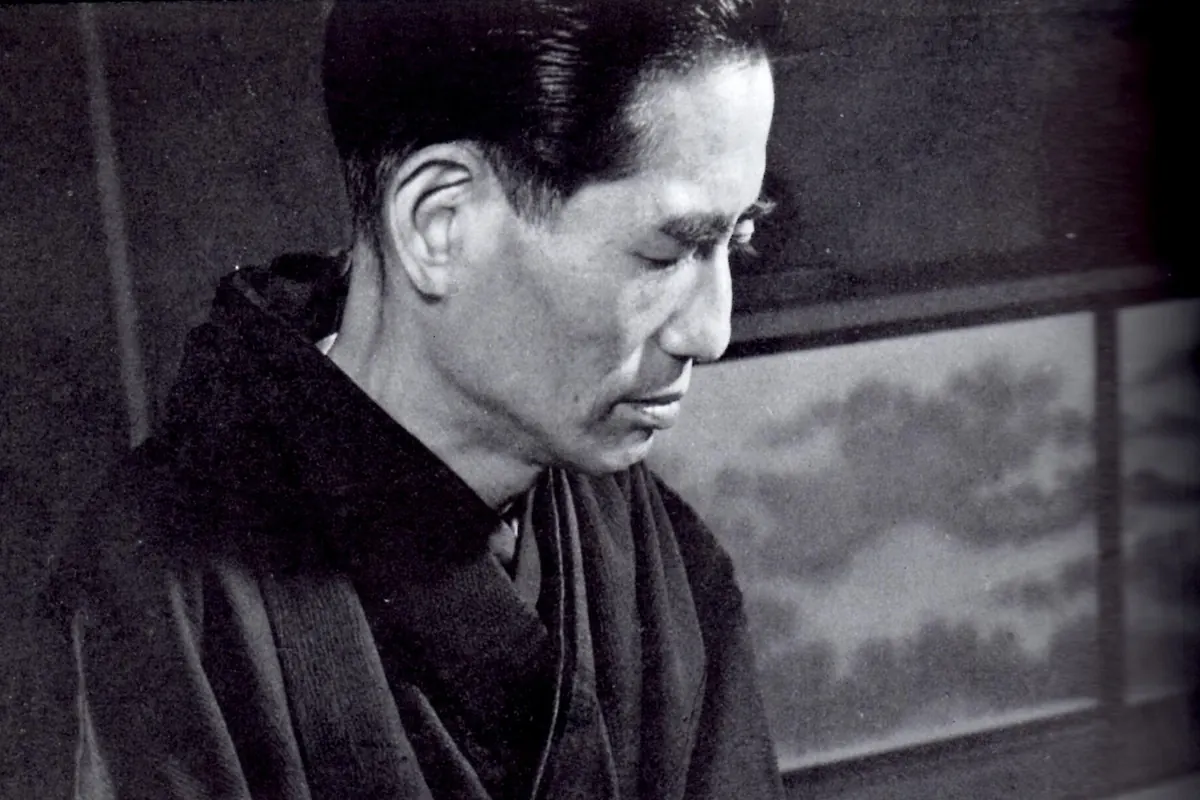
Photographs of koto players at a public performance, a Kyoto geiko's shamisen, the front of a Kyoto townhouse, a neighbourhood bathhouse in Osaka, a turret of Nijō Castle and the composer Michio Miyagi at the koto. None shows the organiser's own rooms.
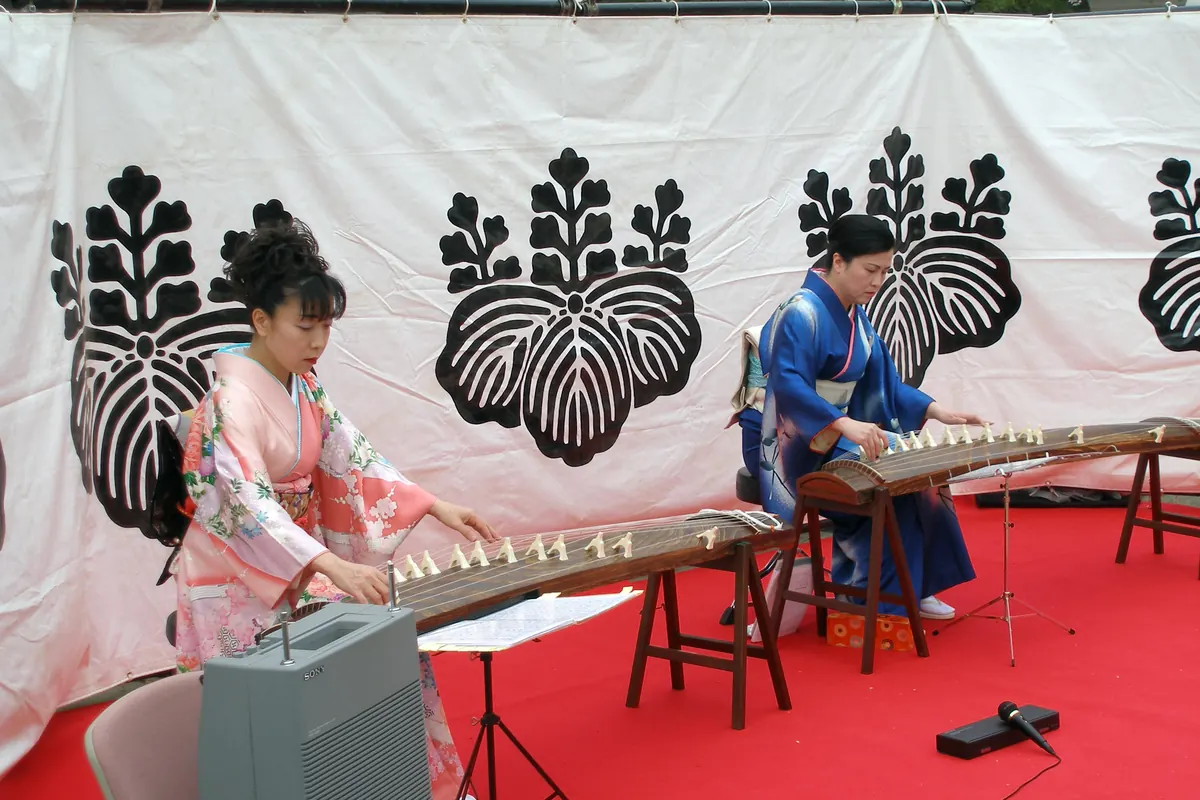
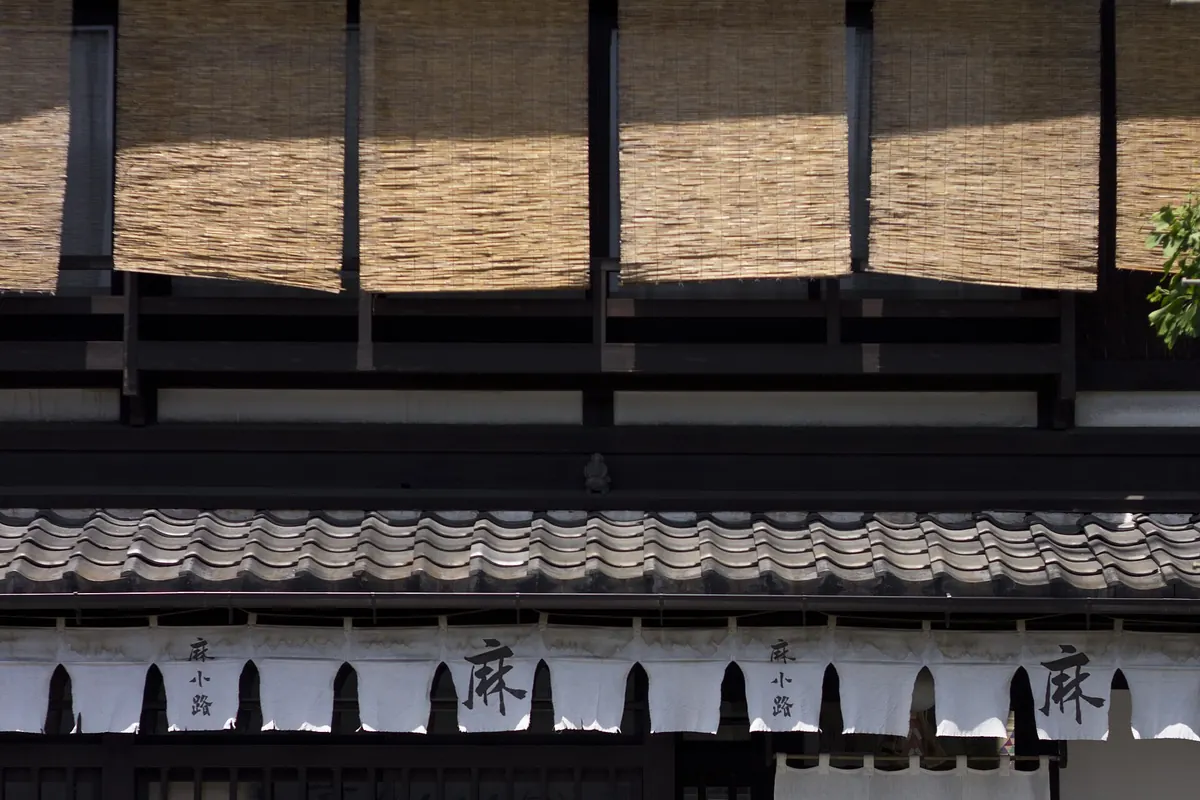
Concert or drums
| Booking | What it covers | Who it suits |
|---|---|---|
| Koto and shamisen concert · about 1 hour | Live koto and shamisen music in a Kyoto townhouse or a former public bathhouse, with Japanese and English commentary, questions, photo time and an optional hands-on koto lesson at the townhouse. Transport, food and drink are not included. | Anyone who wants quiet music up close. |
| DRUM TAO show · about 50 minutes | A non-verbal taiko performance in a small theatre on the ninth floor of a building by Kyoto Station, with a reserved seat and one drink included. Guests must be six or older. | People arriving or leaving by train who want a stage production. |
| Booking terms | Cancelling at least 24 hours ahead returns the full fare on both when booked through GetYourGuide, and each can be held now and paid later. | Travellers whose dates may still move. |
This concert and a drum show
This site is about the koto and shamisen concert. A Kyoto drum show rated 4.9 sits beside it for an evening that is louder and more physical.
Live koto and shamisen music in a Kyoto townhouse or a former public bathhouse, with Japanese and English commentary, questions, photo time and an optional hands-on koto lesson at the townhouse. Transport, food and drink are not included.
Look at dates and fares ↗Cancelling at least 24 hours ahead returns the full fare on both when booked through GetYourGuide, and each can be held now and paid later.
Look at dates and fares ↗More ways to fill a Kyoto day
Practical notes before you travel
The townhouse concert runs almost every day, and the bathhouse hall opens only on selected Mondays. Open the calendar for your dates first, then choose the room.
The concert and talk take about an hour. If you add the optional koto lesson at the townhouse, keep the rest of the evening clear.
Come five to ten minutes before the start, with shoes you can slip off and socks without holes.
The meeting point depends on the room you pick, and your confirmation gives the address. The townhouse is in the Saiin district; the bathhouse is near Kyoto Station.
Nijō Castle, Arashiyama and Nishiki Market all suit a day built around the Saiin townhouse. Build the day backwards from the concert time in your confirmation.
Cancelling at least a day ahead returns the full fare when the booking was made through GetYourGuide.
Guides to the music
FAQ
No. The musician introduces the koto and the shamisen before playing, and the organiser expects guests to arrive with little or no background.
The townhouse, for most people. It is the smaller room, so you see the right hand and the bridges at close range, and it is the only room that offers the hands-on lesson.
Yes, at the townhouse. The optional lesson is a short, beginner-friendly try at basic technique and one phrase. The bathhouse concert has no hands-on part.
Fewer than a dozen in the townhouse and around thirty in the bathhouse. In both rooms you sit close to the players.
Japanese and English. The musicians are not fluent in conversation, so an assistant helps with translation during the questions when needed.
Yes. There is photo time with the musicians, and the organiser welcomes photos without flash unless the staff say otherwise.
No. The ticket covers the concert only: there is no meal or drink, and transport to the venue is not included.
Babies under one year are not suitable. Older children can come, but both rooms are quiet and close, so think about whether yours can listen for an hour.
Your total changes with the date and the number of people. The booking page converts it into your own currency before you commit.