The music
Koto music, from court to Miyagi
From court gagaku to the Kyoto master Yatsuhashi Kengyō and the modernist Michio Miyagi, a short history of what you hear at a concert.
Reserve a seat at the concert ↗Court music first
The koto arrived in Japan as part of court music. The instrument is mentioned in some of the oldest Japanese texts, and in the Asuka and Nara periods it was folded into gagaku, the ritual music of the imperial court. By the Heian period the aristocracy enjoyed it widely, and it appears often in poetry and in tales. The modern koto descends from the gakusō, the court version.
From aristocrats to commoners
In the Muromachi period the samurai class took up the koto, and it became linked with the tea ceremony. In the Edo period it spread to commoners, and a new solo genre called sōkyoku, the music of the solo koto, took shape. The koto moved from the court to a much wider public.
Yatsuhashi Kengyō
Yatsuhashi Kengyō (1614–1685) was a Japanese musician and composer from Kyoto. Kengyō is an honorary title given to highly skilled blind musicians. He began as a shamisen player, then learned the koto from a court musician, and he is credited as the first to teach it to general audiences. He turned a limited stock of six traditional pieces into a new style, kumiuta, and is called the father of modern koto.
Rokudan and the pieces
Yatsuhashi is credited as the composer of Rokudan-no-shirabe, Music of Six Steps, one of the best-known koto solos, though some sources suggest he may not have composed it himself. He also adapted scales from the shamisen repertoire for the koto. It is the older of the two strands you may hear at a concert: classical works from this tradition, and newer pieces from the century since.
A Western century
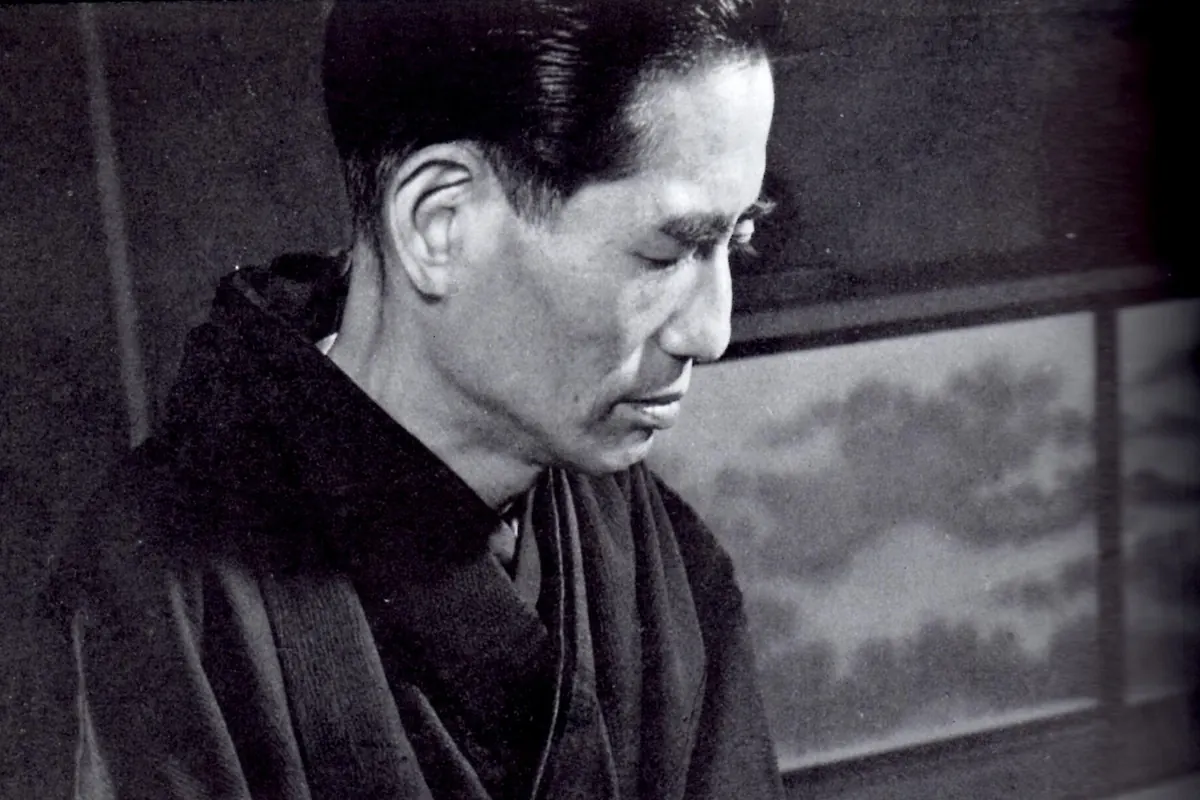
At the beginning of the Meiji period, Western music reached Japan, and over the following decades the koto was reshaped by it. Michio Miyagi (1894–1956), a blind composer born in Kobe, is considered the first Japanese composer to combine Western and traditional koto music. He wrote hundreds of new works, invented the 17-string bass koto and created new playing techniques, and is widely credited with keeping the koto alive as traditional arts were being displaced.
Haru no Umi
Miyagi's best-known piece, Haru no Umi (The Sea in Spring), is written for koto and shakuhachi. A French violinist who heard him play it arranged the shakuhachi part for violin, and they recorded it together for release in Japan and Europe. The piece is still played each year to welcome the New Year in Japan. It is the classic example of a modern koto work that sounds traditional and Western at the same time.
After Miyagi
Since Miyagi, composers and players such as Kimio Eto, Tadao Sawai and Kazue Sawai have extended the instrument, and Kazue Sawai is credited with a leading role in taking the koto abroad. The koto now appears in jazz, pop and experimental music, and relatives such as the 20-string and 25-string koto have been written for. This is what contemporary means in a Kyoto programme: new writing for the same strings and bridges.
Blind musicians and the kengyō title
The history of koto music is bound up with blind musicians. Kengyō was an honorary title given to highly skilled blind musicians, and Yatsuhashi held it. Michio Miyagi lost his sight at the age of eight, studied the koto and reached the rank of kengyō, the highest rank for a koto performer, at eighteen. Both careers show how central blind musicians were to the instrument's development.
How this shapes a concert
A typical programme sits on both sides of that history: a classical piece and a modern one, written for the same instrument. The set depends on the performer and the season, so nobody can promise a title, but you can expect the player to explain the difference. In a duet at the bathhouse, the second instrument, a shakuhachi, taishōgoto or flute, extends that conversation.
Sources